

Case Study: Daffodil – From Heritage to New Horizons
Transforming a historic Mersey ferry into a floating cultural landmark for Liverpool’s waterfront.
DSC3884
Daffodil Jan 250772 1
DSC3246
DSC3366
Back to where it all started.
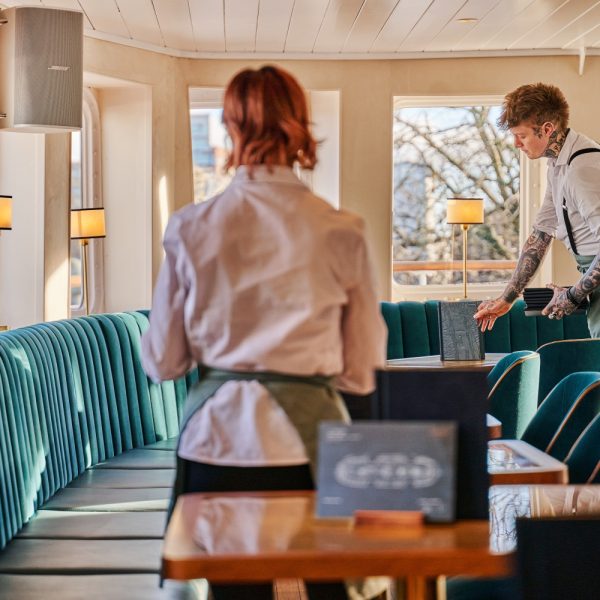
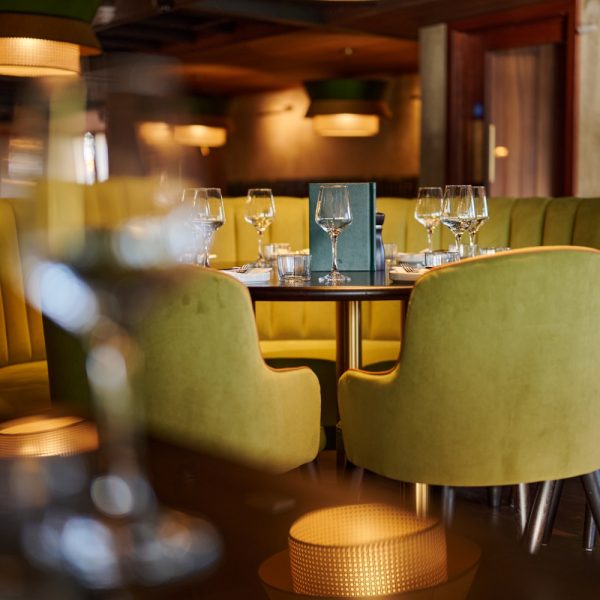
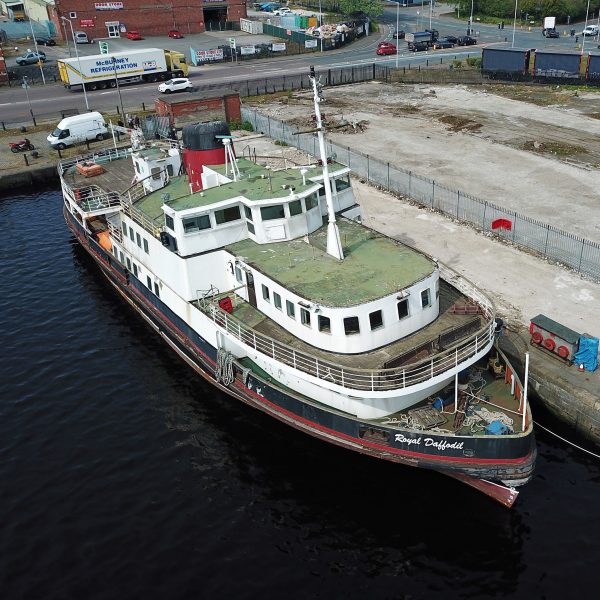
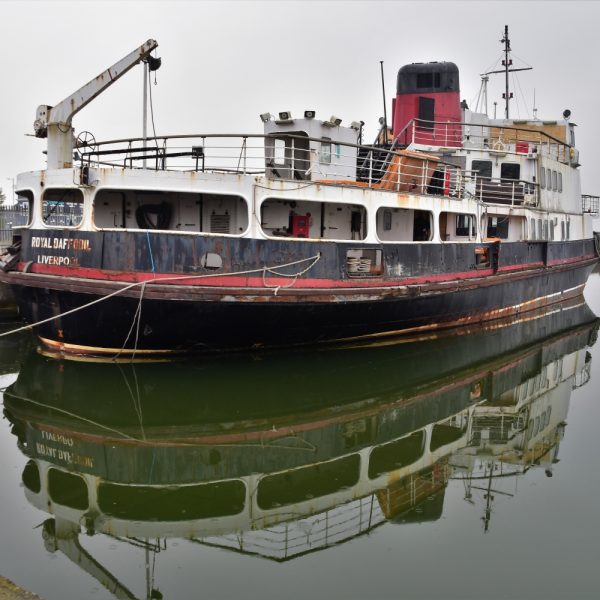
Daffodil represents an ambitious reimagining of one of Liverpool’s most iconic vessels. A retired Mersey ferry transformed into a modern floating venue for dining, culture and community enjoyment. Orb has been instrumental in founding and bringing this vision to life, leading on strategy, planning, licensing, development financial modelling and creative direction. This project demonstrates our ability to unite commercial ambition with civic value – where heritage meets innovation and regeneration meets experience design.
DJI 0008
DSC 8313
Imagine.
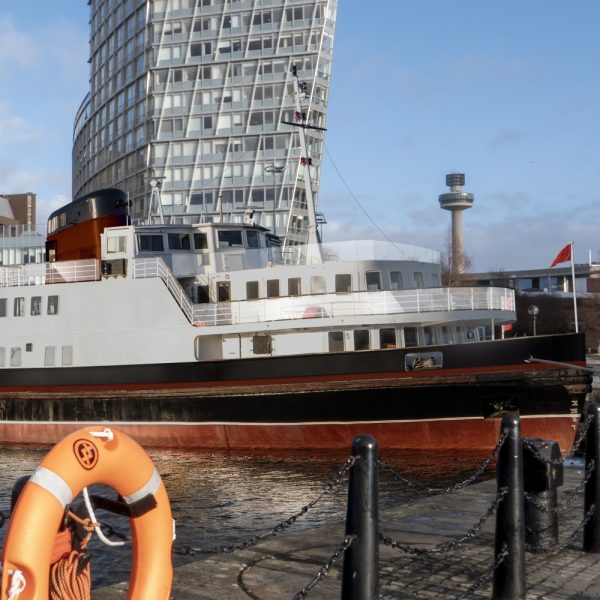
Our involvement began with a simple but powerful idea – could a historic Mersey Ferry be reborn as a floating restaurant and cultural space that celebrates Liverpool’s maritime heritage? We answered the call for parties to come forward with proposals for achieving a sustainable use for this cherished feature of local history. Working with partners, Orb developed a concept that balanced nostalgia with forward-looking design, creating a venue that feels both rooted in place and refreshingly new. We guided the project’s creative vision from its earliest imagining through to planning sketches, developing interiors mood boards, spatial layouts and experience concepts that would eventually define its unique personality.
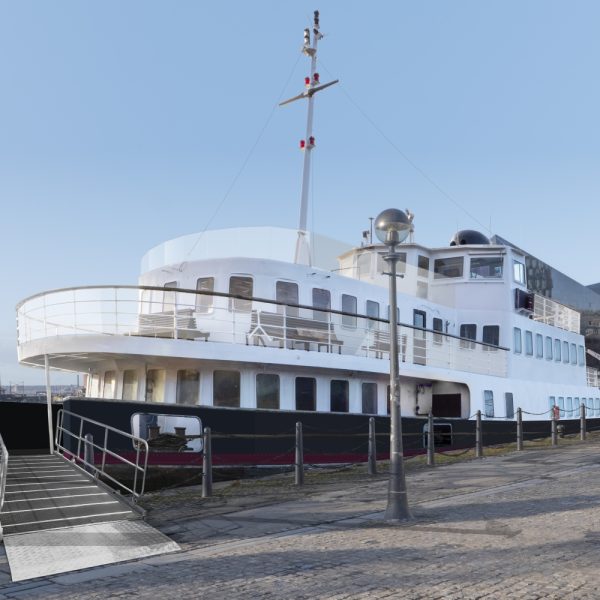
Appendix II Visualisation indicative Portside
Appendix III Visualisation indicative Starboard
Plan.
Plans, plans and more plans! Bringing Daffodil to life demanded meticulous planning and coordination across multiple disciplines – marine engineering, hospitality fit-out and systems, local authority and maritime planning, a major city-centre utilities civil engineering development, product/brand and business development inclusive of recruitment and launch. To enable this, Orb led the process of securing planning permissions, licensing and statutory compliance with Liverpool City Council and Canal & River Trust, ensuring the project met both maritime, building and hospitality regulations. We commissioned key service contractors, developed project budgets, procurement schedules and operational frameworks to guide both development and delivery phases.
Our planning work went beyond logistics – it was about creating systems that would allow Daffodil to operate sustainably as a commercial venue, cultural platform, community space and flagship Visitor Economy destination.
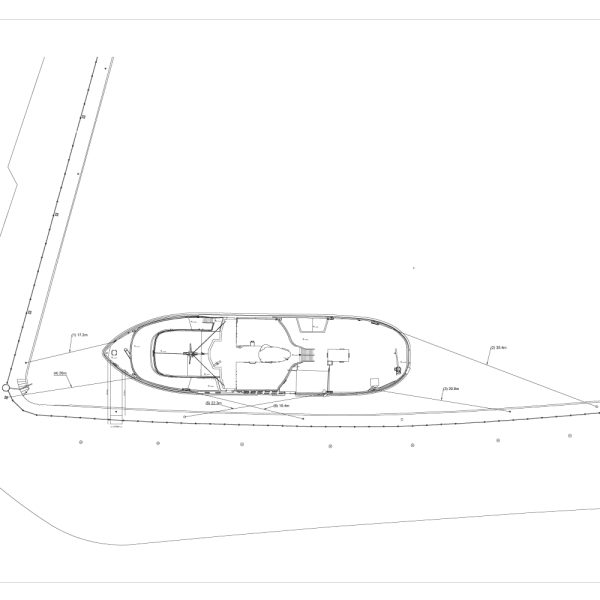
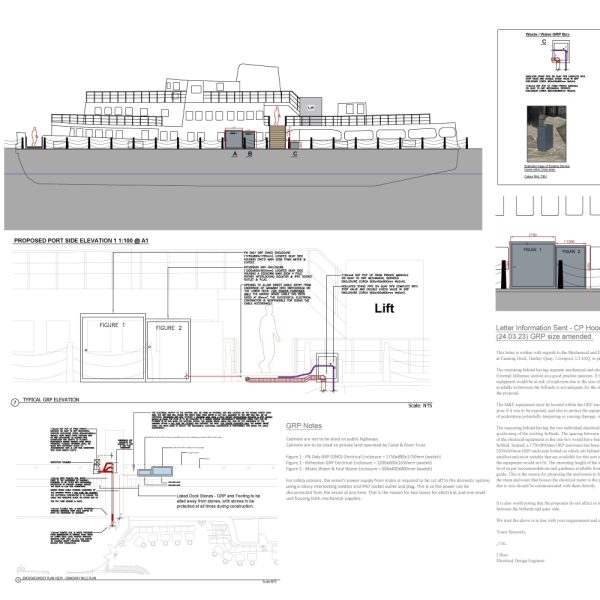
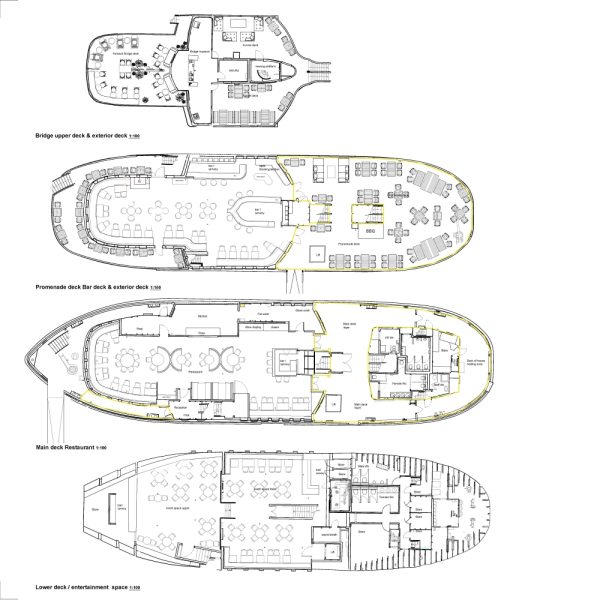
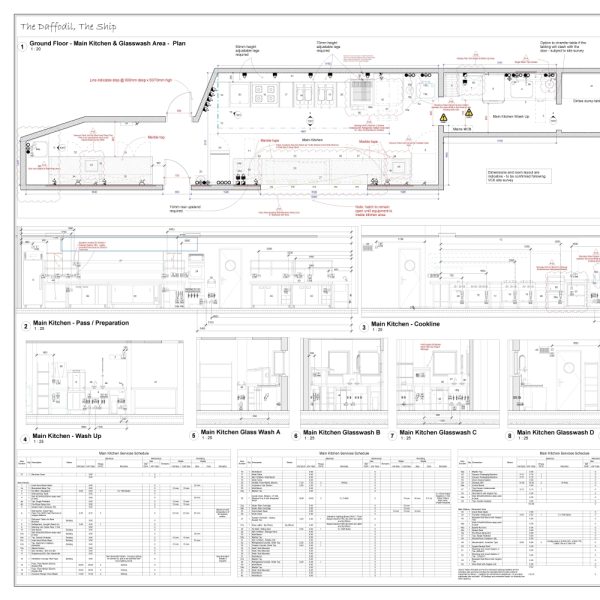
Canning Dock Daffodil Floor Plan mm 11 2023 Morring Line and Gangway Measurements
07a.GRP Box and Services Plan DA GRPBOX 01 AMENDED 1
2025 01 DAFFODIL GENERAL ARRANGEMENT REV F w Power Access Points Marked Red
220041 VCK XX GF DR Y 1001 P18
Build.
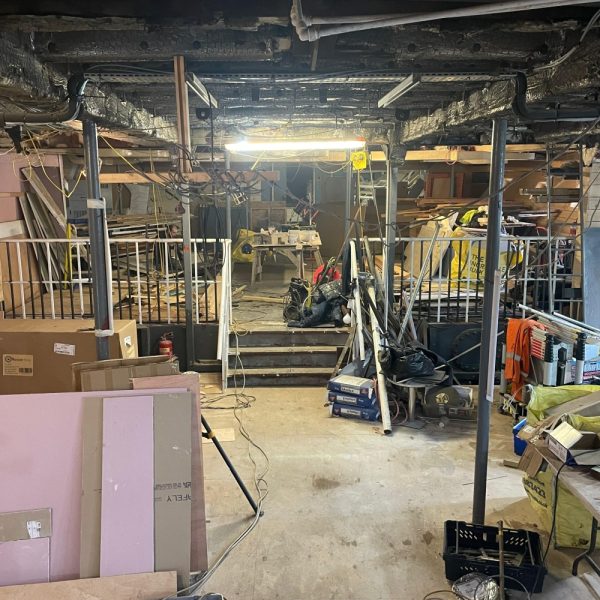
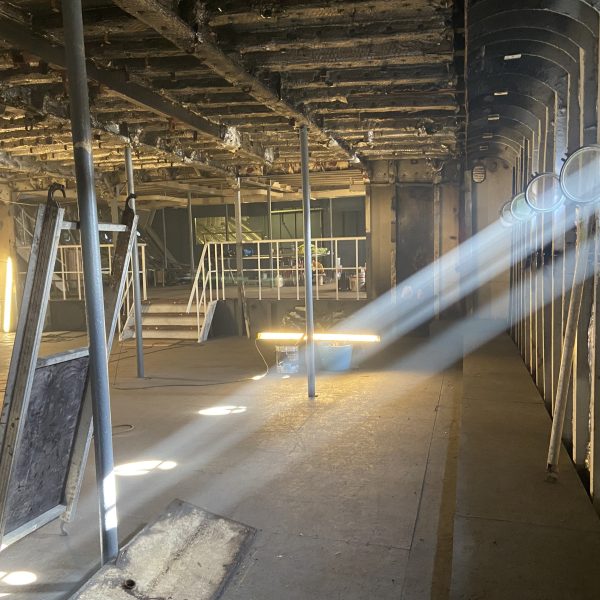
Orb played a coordinating role throughout the conversion and fit-out, acting as project lead between contractors, designers and local stakeholders during an intense 24-month push to delivery. Taking place at Garston Dock, whilst carrying out major groundworks and utilities installations at the city-centre berth – the work required a high level of orchastration and timing, problem-solving, meticulousness, imagination, luck and sheer endurance.
DAFFODIL: Episode Two – Restoration
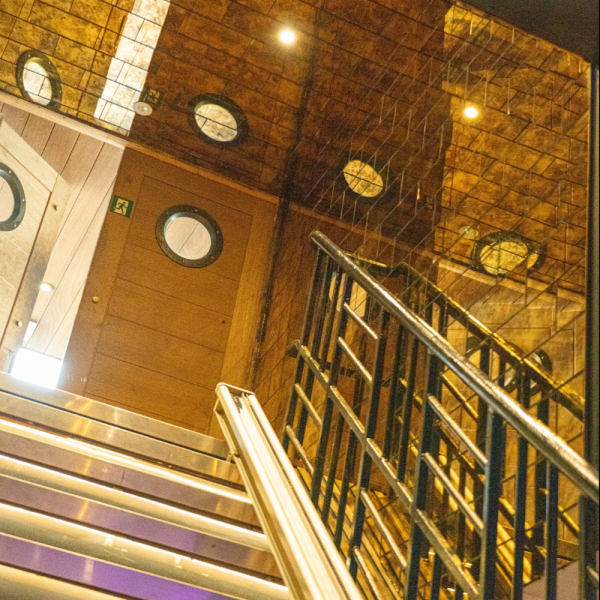
Our partnership team’s prime focus was on delivering a high-quality build and premium aesthetic throughout the scheme with minimal environmental impact – making use of an existing heritage asset whilst integrating efficient electrical systems, LED-only lighting and sustainable materials where possible. We delivered a 200 amp per phase, 3 phase mains power supply to avoid any carbon fuels in the operation that is solely electrical run – future-proofing and opening the door to sustainable energy generation, supply and sourcing.
We managed procurement and site activity schedules to ensure alignment between design intent and practical execution, keeping the project on track across its complex technical and regulatory environment. Ultimately arriving the vessel into the city centre in December 2024 to launch to the public for Christmas.
DAFFODIL: Episode Three – Canning Home
Evolve.
Daffodil’s evolution is ongoing – Orb continues to support and guide in its next phases of growth. We now act as a strategic partner, supporting long-term brand development, community partnerships and sustainability initiatives.
As Daffodil prepares for full public launch, it stands as a symbol of regenerative tourism – a project that doesn’t just reuse heritage, but redefines it for a new generation.
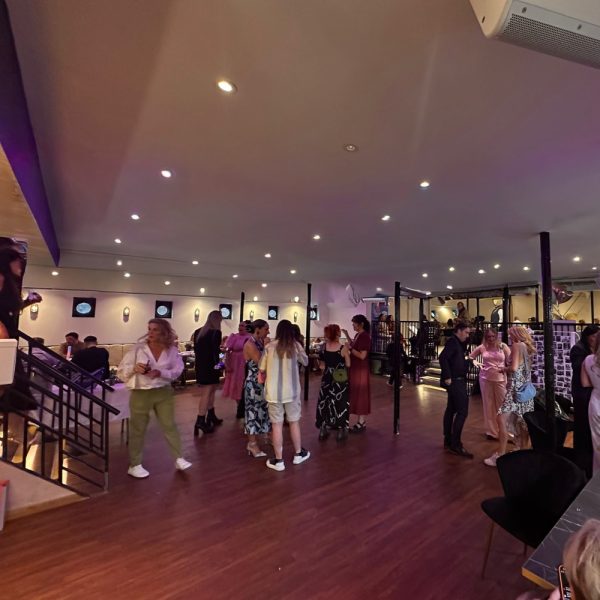
Not stopping at a launch of the bar and restaurant – the team have reverted back to build, realising the finish of the Lower Deck, a semi-submarine event space named the Engine Room. Setting the scene for amazing events, live music, weddings, corporate occasions, private dining and more in the years to come – adding to this diverse, vibrant offer that’s become renowned in the city in such a short space of time. Just announced as Finalist in the Liverpool City Region Tourism Awards as the Best New Tourism Business, demonstrating the appreciation for such a uniquely innovative and impactful project with huge future potential.
WhatsApp Image 2025 06 16 at 13.06.43 5475dbc9 sq
IMG 5465 sq
Screenshot 2025 10 18 175902
WhatsApp Image 2025 09 06 at 18.42.49 ff4beb28 2
Results & Metrics
Acquired – February 2019
Phase 1 Works – 2019-20
Phase 2 Works – 2022-24
Launch – December 2024
Achieved planning approval through intense scruity of Liverpool City Council and Canal & River Trust – producing a city development and mooring strategy that was sensitive to the requirements of a high-level heritage status of the historic Canning Dock.
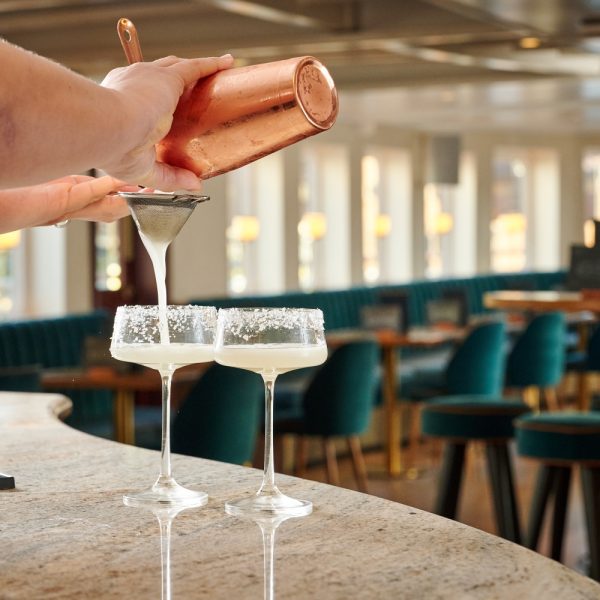
Launching on 14th December 2024, the business quickly established its restaurant offering into the first quarter of 2025, developing its bar and entertainment offerings, introducing new services and menus, delivering a wide range of private dining, corporate events and more.
Hosting of Liverpool Football Club over two large scale events around their Premier League winning season – with over 100,000 people around its footprint for the homecoming tour.
Finalist at Liverpool City Region Tourism Awards as “Best New Tourism Business” – with ceremony to be held in March 2025.
Daffodil embodies the essence of Orb’s work – complex, collaborative and creatively ambitious. It’s a rare example of how heritage-led design and modern hospitality can coexist, proving that with the right imagination, planning and execution, even the most historic structures can find a new purpose.